
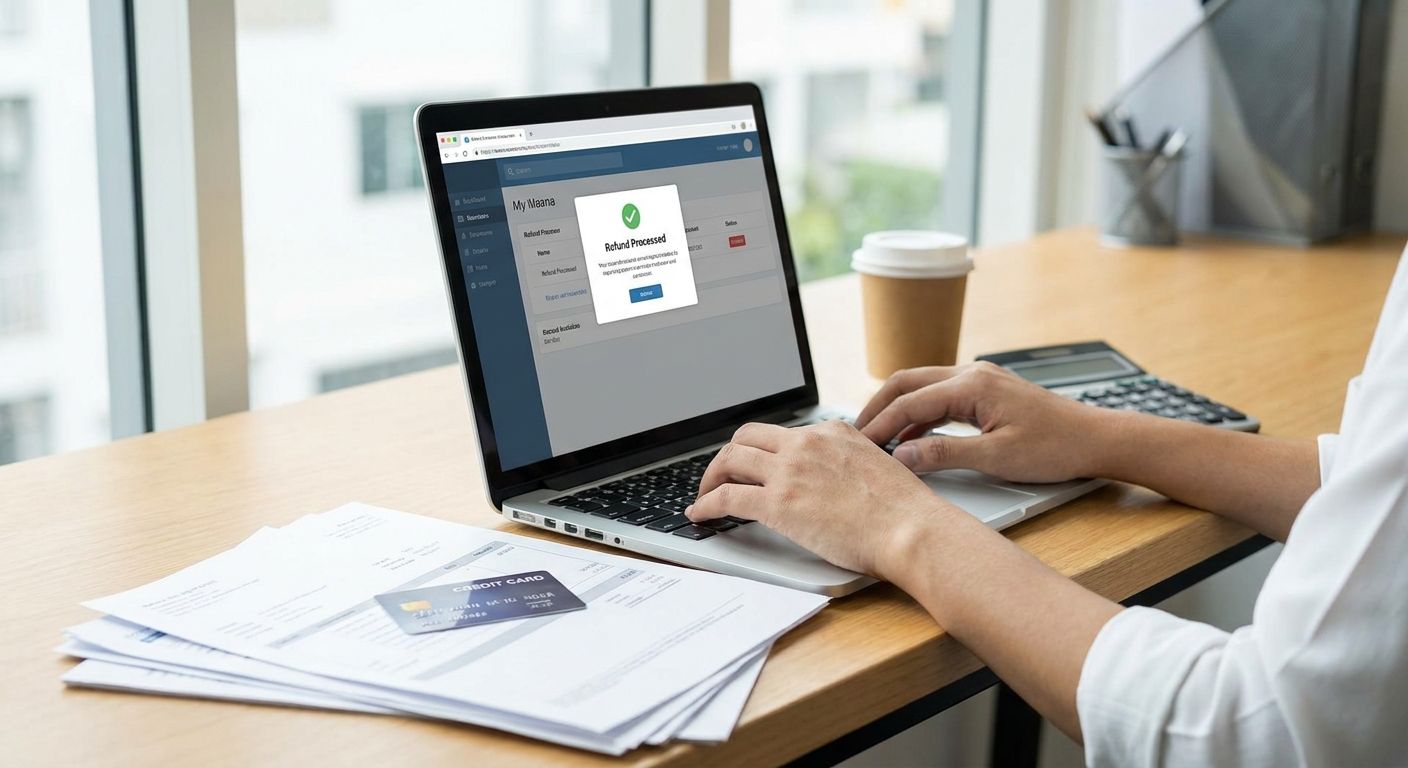
Cancelling a finance order the wrong way around is the fastest way to create a chargeback, a furious customer, and a support ticket that drags on for weeks. Do it in the right sequence and a buy now pay later refund clears cleanly without either side losing money.
- Cancel the finance agreement before processing the retail refund, never the other way round.
- Consumer Contracts Regulations 2013 give customers 14 days to cancel and entitle them to a refund within 14 days of that cancellation.
- PayItMonthly settles the merchant in full at checkout, so a refund is a merchant-to-customer adjustment, not a clawback from the finance provider.
- Partial refunds mean recalculating the instalment schedule, not just cutting the total balance.
- FCA rules bringing BNPL agreements under consumer credit regulation take effect in 2026, tightening how cancellations get documented.
Why this matters
A BNPL order moves money in three directions: the finance provider pays the retailer, the customer repays the provider in instalments, and if the order gets cancelled, someone has to unwind that in the right order. Get the sequence wrong and you end up with a customer still being billed for a returned sofa, or a merchant refunding cash the customer never actually paid.
Most disputes happen because staff process the retail return first and forget the finance agreement is a separate contract. The finance agreement has to be cancelled or amended before the retail refund settles, or the instalment plan keeps running on goods that no longer exist.
How to handle finance refunds and cancellations
The process is the same whether the customer returns a £40 accessory or cancels a £3,000 kitchen order — only the numbers change.
- Confirm the cancellation or return in your own system first. Log the date, reason, and whether it's a full or partial return.
- Notify the finance provider immediately. With PayItMonthly, this is done through the merchant portal, not by asking the customer to sort it out with the provider directly.
- Match the refund to the right rule. If the customer is within the 14-day statutory cancellation window under the Consumer Contracts Regulations 2013, the refund is due within 14 days of you receiving the cancellation notice.
- Cancel or adjust the instalment agreement. A full cancellation ends the agreement outright; a partial return means the provider recalculates the remaining instalments against the new, lower total.
- Confirm to the customer in writing. State the new balance (or £0 for a full refund) and the date their next instalment, if any, is due.
- Keep a record for at least six years. Consumer credit agreements carry documentation expectations that outlast a normal retail transaction.
Full cancellation
When the whole order is returned or cancelled, the finance agreement is voided and the customer owes nothing further. This is the simplest case and the one most platforms, including PayItMonthly, handle automatically once the merchant confirms the cancellation.
Partial refund
A partial refund — one item out of a multi-item order, for example — needs the outstanding balance recalculated and the remaining instalments adjusted downward. The customer keeps paying interest-free instalments on what they kept, not on what they sent back.
Merchant-initiated cancellation
If you cancel an order (stock issue, pricing error, delivery failure), the same rules apply in reverse: notify the finance provider the same day, because every day the agreement stays live is a day the customer could be charged for something you're not delivering.
“If the finance agreement is still active after the goods are gone, the merchant is the one who created the dispute.”
Why refund handling varies by order
Not every cancellation follows the same timeline. What changes it:
- Whether it's inside the 14-day statutory cooling-off period or a later goodwill return governed by your own returns policy.
- Full versus partial refund — partial returns need a recalculated schedule, not a flat balance cut.
- How the order was placed. In-store, online, and telephone sales carry slightly different cancellation rights under UK consumer law.
- Whether the customer has already made instalment payments. Any instalments already collected need to be refunded alongside the cancellation, not left sitting with the provider.
- Section 75 protection. Purchases between £100 and £30,000 made under a regulated credit agreement can carry additional consumer protection under the Consumer Credit Act 1974, which affects how disputes are resolved if goods are faulty rather than simply returned.
- The 2026 FCA rule change. As BNPL agreements move into formal consumer credit regulation in 2026, the paperwork trail around cancellations gets more prescriptive, so merchants who document each step now will have less to retrofit later.
What happens if a customer cancels before the finance agreement completes?
If a customer cancels before the agreement is fully set up — during the checkout finance application, for instance — no agreement exists yet and there's nothing to unwind. The order simply doesn't proceed, and no instalments are ever created.
Do customers pay interest on a cancelled BNPL order?
No, because PayItMonthly agreements are interest-free by design, so a cancelled or refunded order never generates interest charges regardless of when the cancellation happens. The only figure that changes is the principal balance being repaid.
Can a retailer refuse to cancel a finance agreement?
No, not within the 14-day statutory cancellation window under the Consumer Contracts Regulations 2013 — that right belongs to the customer, not the merchant. Outside that window, cancellation follows whatever returns policy the retailer has published, which is why explaining finance terms clearly at checkout matters as much as the refund process itself.
Getting refunds right isn't a back-office detail — it's part of the trust that makes customers choose finance at checkout in the first place. Merchants using PayItMonthly get the retailer paid in full upfront, which means a refund is purely a merchant-to-customer settlement rather than a three-way negotiation with a finance provider still owed money. That's also why setting sensible credit limits up front reduces how often you're dealing with high-value cancellations in the first place.
See how PayItMonthly handles refunds
Check how instalment refunds and cancellations work for your checkout.
FAQ
How long do I have to refund a customer on a BNPL order?
You have 14 days to refund a customer once they've validly cancelled under the Consumer Contracts Regulations 2013. Outside that statutory window, the timeline follows your own published returns policy.
Do I refund the finance provider or the customer?
You refund through the finance provider's process, not directly to the customer's bank account, because the provider settled the purchase on the customer's behalf. With PayItMonthly, this is handled through the merchant portal so the customer's balance updates automatically.
What happens to instalments already paid when an order is cancelled?
Any instalments the customer has already paid get refunded back to them as part of the cancellation. The finance agreement itself is closed once the refund is confirmed.
Can a customer cancel a finance agreement after 14 days?
Yes, but after the 14-day statutory window it's governed by your store's returns policy rather than consumer credit cancellation rights. Most retailers still process it the same way operationally, adjusting the instalment plan once the return is approved.
How do partial refunds affect the instalment schedule?
A partial refund reduces the total balance owed, and the remaining instalments are recalculated against that new, lower figure. The customer isn't left overpaying on goods they've returned.
Is a BNPL refund different from a card refund?
Yes — a card refund reverses a single payment, but a BNPL refund has to update or cancel an ongoing agreement with its own repayment schedule. That's why the finance provider needs to be notified separately from the card processor.
Will FCA regulation change how refunds work in 2026?
FCA rules bringing BNPL agreements under consumer credit regulation take effect in 2026 and tighten documentation requirements around cancellations. The core refund mechanics — cancel the agreement, then settle the balance — stay the same.
One last thing
The most common refund mistake isn't a slow process — it's a missing one: staff process the retail side and never tell the finance provider, leaving the customer's instalments running on goods that already went back. Build the finance-provider notification into your returns checklist as its own line item, not an afterthought, and most disputes disappear before they start.


