
Best starting point for dental-specific finance: Medenta; best for assessing a dental payments platform: Tabeo; best for healthcare finance broking: Chrysalis Finance; best for exploring interest-free BNPL: PayItMonthly, subject to confirmation that your practice and treatments qualify. This 2026 guide compares the options by their role, patient journey and practical fit—not by an unsupported approval-rate leaderboard.
- The best patient finance providers for dental practices fit the treatment journey, not just the monthly repayment.
- Medenta is the starting point for practices seeking dental-specific finance support.
- Assess Tabeo for dental payments and Chrysalis Finance for healthcare finance broking.
- PayItMonthly offers interest-free monthly instalments for UK businesses; confirm dental eligibility before shortlisting.
Why this matters
Dental finance needs to fit a clinical service, not simply a checkout. Your team must explain payment choices without confusing finance acceptance with consent to treatment.
A treatment plan can also change after a patient signs an agreement. Before choosing a provider, establish how your practice will handle revised treatment, cancellations and money already collected.
The best dental finance provider is the one whose agreement fits how your practice delivers care. A familiar name is not a substitute for clear settlement, refund and patient-support responsibilities.
What makes the best patient finance provider?
Use these criteria for your 2026 shortlist. Ask each provider for written answers covering the same treatment scenarios so you can compare like with like.
- Dental eligibility: Confirm that the provider accepts your practice structure, treatment types and delivery model.
- Patient understanding: Check how the application explains repayments, credit checks, missed payments and the agreement itself.
- Treatment changes: Establish how to amend or cancel finance when the clinical plan changes.
- Practice cash flow: Identify what triggers settlement and what happens when treatment is delivered in stages.
- Responsibilities: Confirm who handles applications, complaints, payment queries and any relevant regulatory obligations.
- Operational fit: Check what reception staff, treatment coordinators and your accounts team must do manually.
Do not let a polished application demonstration replace these checks. Ask the provider to show the complete journey, including a declined application and a cancellation—not just a successful application.
Patient finance providers at a glance
The order below is a decision tree: dental-specific finance first, followed by different payment and broking approaches. It is not a ranking of lending decisions or commercial terms.
| Provider | Best for | Standout focus | Key limitation to resolve |
|---|---|---|---|
| Medenta | Practices seeking dental-specific finance support | Dental patient finance | Confirm lender arrangements and responsibility for each stage |
| Tabeo | Practices assessing a dental payments platform | Payments and finance for dental practices | Check which functions your proposed agreement includes |
| Chrysalis Finance | Practices considering healthcare finance broking | Finance broking for healthcare treatment | Distinguish the broker's role from the lender's role |
| PayItMonthly | Businesses exploring interest-free monthly instalments | Interest-free BNPL for UK businesses | Confirm dental practice and treatment eligibility before proceeding |
1. Medenta: best for dental-specific finance support
Medenta is a dental patient finance provider. It is a sensible starting point when you want a discussion centred on financing dental treatment rather than general retail purchases.
Best for: practices seeking a dental-specific finance relationship. Ask Medenta to walk through your actual treatment journey, from the first estimate to the final appointment.
Medenta pros
- Dental patient finance is its stated area of focus.
- That focus gives your practice a directly relevant starting point for provider discussions.
- You can assess the proposed arrangement against treatment plans rather than a retail checkout example.
Medenta cons
- Dental specialism does not establish that every treatment or practice structure qualifies.
- A patient finance relationship still requires clear allocation of lender, provider and practice responsibilities.
For a useful demonstration, bring an anonymised example of a treatment plan that changed after acceptance. Ask what happens to the finance agreement when the final treatment differs from the original proposal.
Request the current contractual documents before making a decision. Your practice manager should be able to identify the settlement trigger, cancellation process and escalation contact without relying on a salesperson's explanation.
Verdict: Hold until Medenta confirms your treatment eligibility and change-of-plan process in writing.
2. Tabeo: best for assessing a dental payments platform
Tabeo provides payment and finance services for dental practices. Consider it when your decision concerns the wider payment journey, not only introducing patients to credit.
Best for: practices reviewing how dental payments and finance work together. In your 2026 assessment, separate the functions you need from the functions included in the proposed arrangement.
Tabeo pros
- Its dental focus makes the discussion relevant to practice payment workflows.
- Its payments-and-finance positioning supports a broader review of how patients pay.
- It provides a distinct comparison point against a finance-broking arrangement.
Tabeo cons
- A broader platform requires you to define the scope of the project clearly.
- Platform positioning alone does not establish compatibility with your existing practice systems.
Ask for a demonstration using the systems and roles your practice actually has. Reception, treatment coordination and accounts each need to understand what they enter, what they can see and what they must reconcile.
Do not assume that payment functionality automatically includes a particular integration, reporting view or finance option. Put each required function into the proposal and identify any work your team would still complete outside the platform.
Verdict: Hold until Tabeo demonstrates the required payment workflow and confirms the contracted scope.
3. Chrysalis Finance: best for healthcare finance broking
Chrysalis Finance operates in healthcare finance broking, including dental treatment finance. It belongs on your shortlist when you want to assess a broker-led arrangement for patient borrowing.
Best for: practices comparing healthcare finance broking with a payments-platform approach. The key question is who does what once the patient applies.
Chrysalis Finance pros
- Healthcare finance is its area of focus.
- Dental treatment sits within its established healthcare finance activity.
- Its broker role gives you a different operating model to compare with other options.
Chrysalis Finance cons
- The broker and lender have different roles; your team must understand the distinction.
- You must check the particular agreement rather than assume one set of terms covers every arrangement.
Ask Chrysalis Finance to identify the lender, the party responsible for credit decisions and the correct destination for each type of complaint. Your patient-facing explanations should make those relationships understandable.
Then examine the handover between the practice and the finance process. Establish what your team needs to provide, when treatment can proceed under the proposed arrangement, and how you confirm that the necessary steps are complete.
Verdict: Hold until Chrysalis Finance documents the lender relationship and your practice's responsibilities.
4. PayItMonthly: best for exploring interest-free BNPL
PayItMonthly provides UK businesses with a BNPL platform that lets customers spread purchases into interest-free monthly instalments. For a dental practice, it is an option to assess—not a substitute for confirming sector and treatment eligibility.
PayItMonthly is best for UK businesses seeking interest-free monthly instalments. Dental practices should establish eligibility before comparing it with a dedicated patient finance arrangement.
PayItMonthly pros
- Interest-free monthly instalments are part of its stated proposition.
- The platform serves UK businesses.
- Its BNPL model gives you an alternative approach to assess alongside dental finance broking.
PayItMonthly cons
- A general business BNPL proposition does not establish dental treatment eligibility.
- Interest-free instalments alone do not answer questions about settlement, treatment changes or patient support.
Ask specifically about dentistry, staged treatment and the point at which payment becomes due under the agreement. Do not infer that an arrangement suitable for a retail purchase will work unchanged for a course of treatment.
If eligibility is confirmed, compare the complete agreement against your clinical workflow. Keep the distinction between an interest-free payment proposition and suitability for an individual patient clear.
Verdict: Hold until dental eligibility and the proposed treatment-payment workflow are confirmed.
How the ranking works
This shortlist orders providers by the problem a practice wants to solve: dental-specific finance, a wider dental payment platform, healthcare finance broking or interest-free BNPL.
The criteria are eligibility, patient understanding, treatment changes, cash flow, responsibilities and operational fit. No approval-rate, settlement-speed or practice-revenue ranking is implied.
For a 2026 procurement decision, replace assumptions with the current proposal and contract. A provider that answers your awkward cancellation scenario is more useful than one that only demonstrates a successful application.
How to compare providers before signing
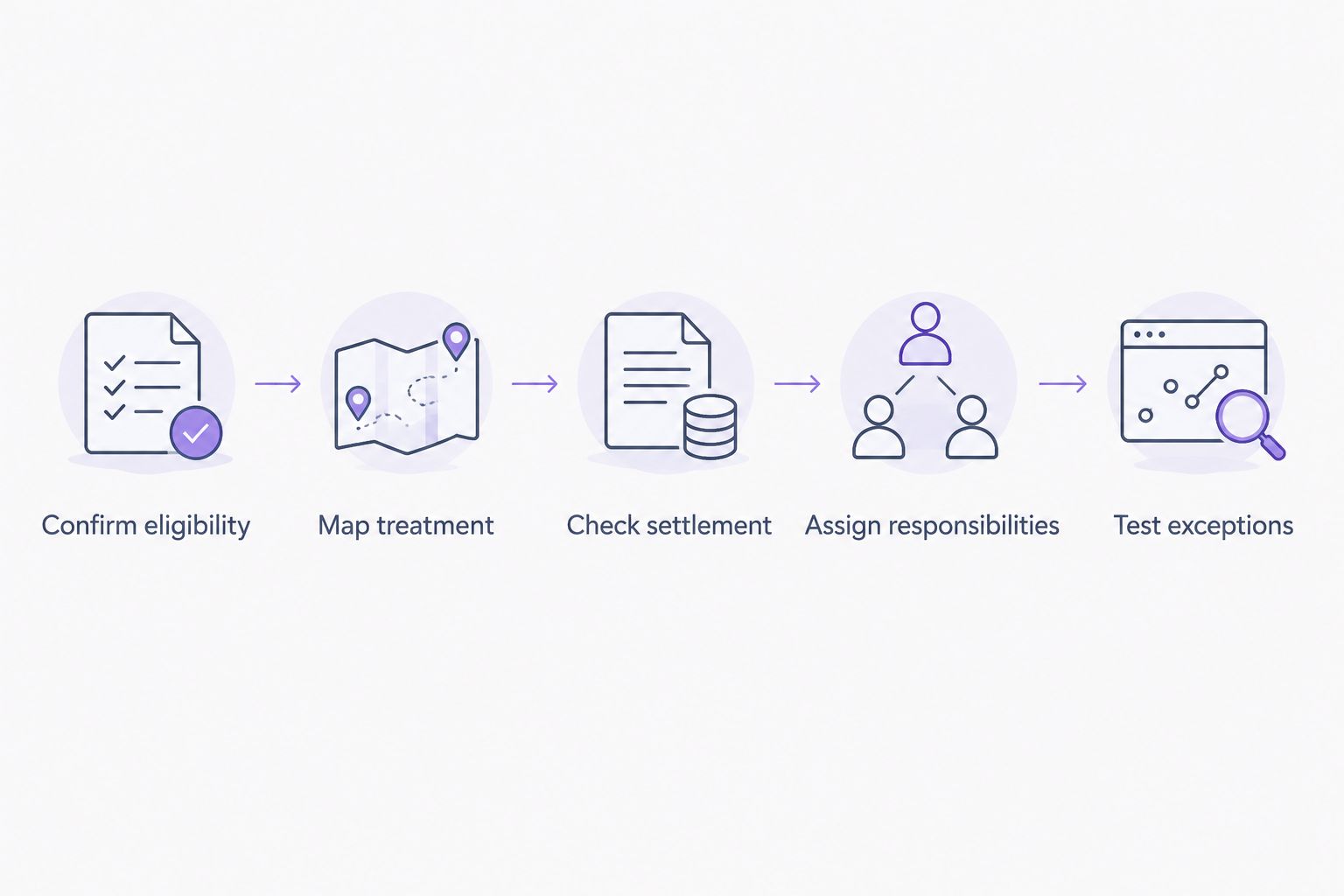
Use the same sequence with every shortlisted provider. This keeps an attractive feature from distracting your team from an unresolved contractual question.
Confirm eligibility
Describe your business structure and the treatment categories you want to finance. Include any treatments delivered across multiple appointments, and obtain confirmation of what the proposed arrangement covers.
Keep that confirmation with the contract. A general statement that a provider works with healthcare businesses is not specific enough for your practice.
Map treatment
Write down the journey from consultation to completed care. Mark when the patient accepts the treatment plan, applies for finance, signs the agreement and receives treatment.
Then identify what happens if the clinical plan changes between those points. Do not treat an accepted finance application as evidence that the treatment itself should proceed.
Check settlement
Ask what event triggers payment to the practice. Establish what evidence is needed, who supplies it and how your accounts team matches the payment to the patient record.
Check the cancellation position at the same time. Settlement and refunds belong in the same discussion because your practice needs to understand both directions of the money flow.
Assign responsibilities
Name an owner for applications, payment queries, refunds and complaints. Check the relevant parties and permissions through the FCA's Financial Services Register, and obtain advice on your practice's own obligations.
Do not assume that another party's authorisation automatically covers your activity. The proposed agreement and your role determine the questions you need to resolve.
Test exceptions
Run through a declined application, a changed treatment plan and a cancellation. Ask staff to explain the next action without guessing or improvising a promise to the patient.
Resolve exceptions before launch, not during a patient complaint. Use a written process that your reception and accounts teams can both follow.
What your team should ask in the demonstration
Give each provider 3 questions before the meeting. Request answers against the proposed contract, not a generic presentation.
- What happens when treatment changes? Ask who changes the agreement and how the patient receives confirmation.
- What happens when a patient cannot proceed? Separate a cancelled treatment plan from a declined finance application.
- Who handles a disputed payment? Identify the practice, broker and lender responsibilities where applicable.
Appoint 1 named practice owner for the launch. That person should keep the agreed wording, staff process and escalation contacts together.
Schedule a review after the first 30 days of operation. These are suggested management checkpoints, not claims about provider performance: review staff questions, unresolved cases and whether the documented process matches daily work.
Which patient finance provider should you choose?
Start with Medenta if your main requirement is dental-specific finance support. Compare Tabeo when the wider payment workflow is central, and Chrysalis Finance when you want to assess healthcare finance broking.
Include PayItMonthly if interest-free BNPL matches your intended approach, but confirm dental eligibility first. Do not choose a provider simply because the monthly-payment message sounds attractive.
Your 2026 decision should end with an agreed workflow, not just an accepted proposal. Keep payment choices separate from clinical recommendations and give patients space to understand the commitment.
FAQ
What's the best patient finance provider for a UK dental practice?
Medenta is a sensible starting point for dental-specific finance support. Compare Tabeo for a dental payments-platform approach and Chrysalis Finance for healthcare finance broking, then assess the proposed contracts against your treatment workflow.
Is Tabeo better than Medenta for dental finance?
Neither is a universal winner: Tabeo is relevant to a wider dental payments review, while Medenta is a starting point for dental-specific finance support. Compare the functions and responsibilities included in each proposal rather than assuming the brands offer identical arrangements.
Can a dental practice use PayItMonthly?
A dental practice should obtain confirmation of practice and treatment eligibility before proceeding. The platform's stated offer is interest-free monthly instalments for UK businesses; that does not establish suitability for a particular dental treatment.
Does interest-free patient finance mean the practice has no costs?
No. Interest-free describes the patient's interest arrangement, not the practice's commercial agreement. Review the provider's current proposal and all contractual obligations before signing.
Do dental practices need FCA permission to offer patient finance?
The answer depends on the finance arrangement and the activity the practice undertakes. Check the relevant parties on the FCA's Financial Services Register and obtain advice on the practice's own obligations before introducing finance.
What happens if a patient cancels financed dental treatment?
The response depends on the treatment position and the finance agreement. Establish the cancellation, refund and patient-notification process with the provider before launching the service.
Should finance approval determine whether treatment goes ahead?
No. A credit decision is separate from clinical suitability and informed consent. Your clinical team should assess care independently of the patient's chosen payment method.
One last thing
Test the cancellation journey before the successful application journey. Ask your team to explain what happens when treatment stops after the finance agreement has been signed.
If nobody can identify the responsible party and next action, the service is not ready to launch. A clear exception process protects the patient conversation as well as your practice's administration.